Lovable Incident Raises Cross-Tenant Data Exposure Concerns for AI Development Platforms

Lovable Incident Raises Cross-Tenant Data Exposure Concerns for AI Development Platforms
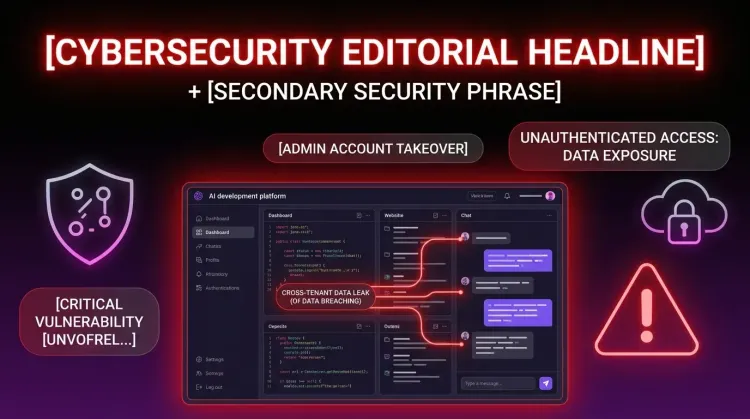
Lovable, an AI platform used to build and iterate software projects, is facing scrutiny after a reported bug allowed authenticated users to access other users' data. According to Business Insider, the exposed information included credentials, chat history, and source code, turning what may have started as an authorization flaw into a high-impact confidentiality incident.
For defenders, the concern is not only the individual bug. The bigger issue is what happens when AI-native development platforms centralize multiple sensitive assets in a single workflow. In this case, users were not just storing prompts or drafts. They were storing project context, application logic, credentials, and conversational history that can reveal business decisions, architecture, and security posture.
That combination makes cross-tenant access control failures especially dangerous. If one authenticated user can view another tenant's materials, the blast radius can extend far beyond simple data leakage. Exposed credentials can enable lateral movement into cloud environments or developer tooling. Exposed source code can reveal hardcoded secrets, insecure patterns, or business logic worth weaponizing. Exposed chat history can provide attackers with operational context that makes follow-on phishing, fraud, or intrusion attempts more convincing.
The incident also puts pressure on a recurring security question in AI product design: whether rapid product iteration is outpacing isolation and authorization maturity. Platforms built around collaborative AI coding and "vibe coding" workflows often optimize for speed, visibility, and convenience. Those same design choices can become liabilities if tenant boundaries, permission checks, and secret-handling patterns are not rigorously enforced.
For organizations evaluating AI-assisted development platforms, this is a reminder to treat them like high-value engineering systems rather than lightweight productivity tools. Security reviews should cover tenant isolation, secret management, audit logging, role-based access control, and incident response transparency. It is also worth confirming whether credentials are redacted, encrypted, segregated by tenant, and protected from accidental inclusion in shared views or generated artifacts.
There is a broader market implication as well. AI development platforms increasingly sit close to production workflows, CI/CD pipelines, proprietary repositories, and internal product planning. That means a single platform weakness can expose both technical assets and strategic information. Incidents like this should push vendors toward clearer trust boundaries, stronger default protections, and more direct communication when bugs impact customer data.
For security teams, the practical lesson is simple: if a platform can see your code, secrets, or build context, then it belongs in the same risk conversation as source control, cloud consoles, and developer identity infrastructure. The label "AI platform" does not reduce the need for mature access control. If anything, it raises the stakes.
How to cite
Lucas Oliveira. Lovable Incident Raises Cross-Tenant Data Exposure Concerns for AI Development Platforms. 23 Apr 2026. Invaders Cybersecurity. https://invaders.ie/resources/blog/cloud-and-application-security/lovable-incident-raises-cross-tenant-data-exposure-concerns-for-ai-development-platforms.
Subscribe via RSS.
Written by
Lucas Oliveira
Research
A DevOps engineer and cybersecurity enthusiast with a passion for uncovering the latest in zero-day exploits, automation, and emerging tech. I write to share real-world insights from the trenches of IT and security, aiming to make complex topics more accessible and actionable. Whether I’m building tools, tracking threat actors, or experimenting with AI workflows, I’m always exploring new ways to stay one step ahead in today’s fast-moving digital landscape.
Hot TopicsLast 7 days
Categories
Stay Updated
Get the latest cybersecurity insights delivered to your inbox.