OPTIMJACK: How Poisoned Optimizely Scripts Reached 178 Brands

OPTIMJACK: How Poisoned Optimizely Scripts Reached 178 Brands
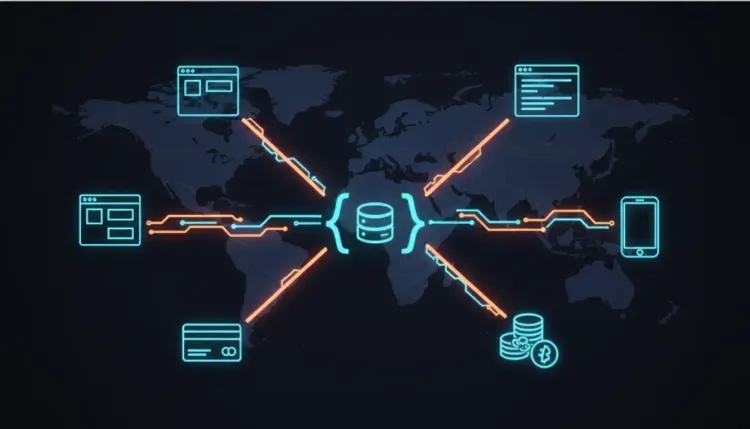
On November 16, attackers turned a trusted website component into a delivery channel for card skimming, cryptocurrency theft and iPhone exploit kits.
Security researcher Scott Helme's Report URI found malicious code in 188 Optimizely Web snippets belonging to at least 178 organisations. The affected sites included Zoom, CNN, Fox News, the BBC, Salesforce, GitLab, IKEA, HSBC, Equifax and Air France-KLM. BleepingComputer independently confirmed that the modified scripts loaded, or attempted to load, on many of those sites.
The incident is a sharp example of a software supply chain failure: the affected organisations did not need to lose control of their own web servers. Their pages trusted a third-party experimentation platform, and that platform served code that had been added to customer projects by an unauthorised party.
What happened inside the trusted path
Optimizely Web lets organisations run experiments and personalise pages. Customers load a JavaScript snippet from Optimizely's infrastructure, while project-level JavaScript controls the behaviour of each site.
Optimizely told BleepingComputer that an attacker exploited a vulnerability in the Experimentation account signup flow and used it to add malicious JavaScript to some customer projects. The company said it blocked the vulnerable path, deployed a fix, removed injected code, ended active sessions, revoked tokens and reset affected accounts.
Report URI identified 188 infected snippets while checking 1,611 files. The real number may be higher. The first observed injection was in the BBC's snippet at 04:21 UTC on November 16, and most of the known snippets were cleaned later that day.
This was not a conventional CDN cache-poisoning attack. The malicious content was written into customer project code, then delivered from a legitimate Optimizely domain with a valid certificate. That distinction matters: an allowlist can confirm that a script came from an approved host while missing the fact that the approved host is serving attacker-controlled project content.
What the injected code tried to do
The payload was delivered through track.js, hosted on an attacker-controlled domain. Researchers documented several capabilities:
- Cryptocurrency address swapping: the script searched pages, forms, clipboard data and outgoing requests for wallet addresses, then replaced them with attacker-controlled addresses.
- Payment-card skimming: it watched locally rendered form fields for card numbers, expiry dates and security codes and attempted to send the data to the attacker.
- Browser data collection: it could collect readable cookies, page URLs and screenshots.
- Mobile exploit delivery: on iPhones and iPads, it loaded routers associated with the Coruna and DarkSword exploit kits. Researchers observed delivery of the exploit chain, but have not demonstrated a successful compromise of a real device.
The wallets embedded in the script received about $7,000 in transactions by November 16, although some addresses had been active before the campaign. That figure is therefore a visible floor, not a complete loss estimate.
Why third-party JavaScript deserves supply-chain controls
Third-party scripts are often treated as low-friction marketing or analytics dependencies. In practice, they execute in the browser context of the site that embeds them. They can observe page content, interact with forms and alter what a visitor copies or submits.
The incident also shows why a content security policy and script monitoring need to work together. A policy may restrict where scripts can load or where data can be sent, but it cannot by itself prove that every future version of an approved script is safe. On some affected sites, strict policies blocked the external payload; on others, the project code included fallback behaviour that made simple domain blocking less reliable.
For payment pages, the risk is especially direct. A hosted payment field can keep card data inside a payment provider's frame, outside the reach of ordinary page scripts. A locally rendered card form gives any compromised script on that page a much broader opportunity to capture data.
What defenders should check now
Organisations using Optimizely Web should treat November 16 as an exposure window and perform an incident-response review:
- Inspect every Optimizely project's custom JavaScript and experiment code. Search for
1688360.cc,atob(, unexpected script tags and code no team member can explain. - Compare the code stored in the Optimizely dashboard with the code visitors actually received, including copies served through a customer-owned domain.
- Review users, integrations and API tokens with write access. Remove unknown principals and rotate legitimate credentials after revoking active sessions.
- Review payment-card activity, wallet transfers, readable session cookies and sensitive actions performed on November 16. Reissue exposed sessions and notify card issuers when appropriate.
- Update iPhones and iPads that visited affected sites, then investigate suspicious account activity rather than assuming a browser visit was harmless.
- Add change detection for third-party scripts and alert when a script's hash, network destinations or privileged browser behaviours change.
These controls are useful beyond Optimizely. A supply-chain attack can enter through analytics, experimentation, support widgets, tag managers or payment integrations. The common failure is trusting runtime code because its vendor, domain or certificate looks familiar.
The operational lesson
OPTIMJACK compressed the distance between a vendor-side account flaw and the browser sessions of hundreds of millions of potential visitors. The affected brands did not all share the same infrastructure, but they shared a dependency that could change what their pages executed.
The practical response is not to remove every external script. It is to assign each one a security owner, minimise its permissions, monitor its content and destinations, and design payment and identity flows so that one compromised dependency cannot silently capture the most valuable data.
Sources
- BleepingComputer: Optimizely hack infected CNN, Fox News, BBC and Salesforce sites
- Report URI: World's Largest Brands Infected With Malware Via Optimizely
- MATT Research: OPTIMJACK analysis and defensive checks
References
FAQ
On November 16, attackers turned a trusted website component into a delivery channel for card skimming, cryptocurrency theft and iPhone exploit kits.